

7037297989, 8865073730
uttarakhandtravelagency@gmail.com
MSME CERTIFIED
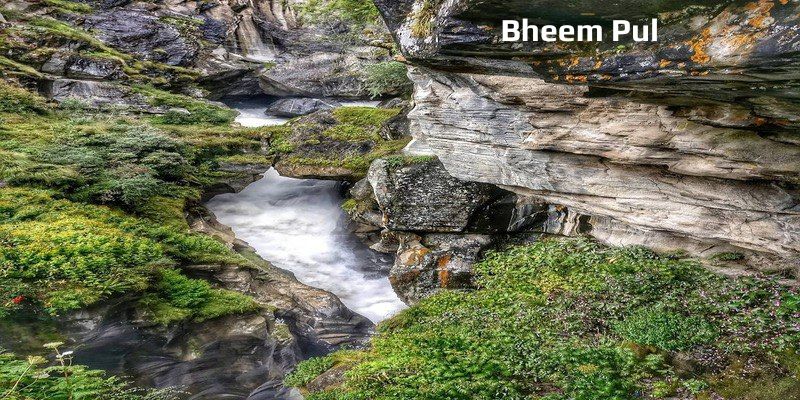
Bheem Pul: The Mythological Bridge in Uttarakhand

Bheem Pul: The Mythological Bridge in Uttarakhand


Uncategoried

Hidden in the quiet beauty of Mana village, near Badrinath in Uttarakhand, lies a natural stone bridge known as Bheem Pul. This bridge is not just a wonder of nature—it is also deeply tied to Indian mythology. Many travelers and pilgrims visit this spot every year, not just for its beauty, but also to feel the spiritual energy that surrounds it.


Where Is Bheem Pul Located?

Bheem Pul is located in Mana village, the last Indian village before the Tibet border. It is about 3 kilometers from the holy town of Badrinath and can be easily reached on foot from there. The path to the bridge is filled with beautiful sights—mountains, fresh air, and the sound of the Saraswati River flowing below.


The Story Behind Bheem Pul

The bridge is named after Bheem, one of the five Pandava brothers from the Indian epic Mahabharata. According to local legends, when the Pandavas were on their way to heaven (a journey known as the Mahaprasthan), they reached this point near the Saraswati River. The river was wild and fast, and Draupadi couldn’t cross it.

Seeing this, Bheem lifted a huge rock and placed it over the river, creating a bridge for Draupadi and the others to walk across safely. That rock is what we now call Bheem Pul.


What Makes Bheem Pul Special?

  • Natural Formation: The bridge is made of a single large stone that looks like it has been placed carefully across the river. Whether you believe in the myth or not, the size and balance of the rock is impressive.

  • Spiritual Significance: People believe that this place is blessed. Many feel a strong connection to the ancient times when they stand there.

  • Saraswati River: This is one of the few places in India where you can see the Saraswati River, which is believed to be invisible in most parts of the country.


    Best Time to Visit

The best time to visit Bheem Pul is between May and October, when the road to Badrinath is open. During winter, heavy snowfall blocks the route and Mana village is closed to visitors.


Travel Tips

  • -Wear comfortable walking shoes. You’ll need to walk a short distance to reach the bridge.

  • -Carry water and a light jacket, as the weather can change quickly.

  • -Start early in the day to avoid crowds and enjoy the peaceful surroundings.


    Final Thoughts

Bheem Pul is more than just a rock. It is a piece of living history, connecting nature, myth, and devotion. Whether you're a spiritual seeker, a nature lover, or a curious traveler, visiting Bheem Pul will leave you with a sense of wonder. The beauty of the mountains, the roar of the river, and the legend of Bheem together create a truly unforgettable experience.

Author Avatar
Written by vaibhavkr

An expert in Uttarakhand travel and local culture, dedicated to sharing insights and tips for your perfect journey.


Explore Popular Hill Stations


Discover serene landscapes and breathtaking views with our curated selection of top hill station destinations. Perfect for nature lovers and adventurers alike!

Pauri

Pauri is one of the beautiful hill stations located in the state of Uttarakhand, India. It's known for its scenic beauty, pleasant climate, and serene...

Chamba

Chamba is one of the beautiful hill stations located in the state of Uttarakhand, India. It's known for its scenic beauty, pleasant climate, and serene...

Auli

Auli is one of the beautiful hill stations located in the state of Uttarakhand, India. It's known for its scenic beauty, pleasant climate, and serene...


Temples in Uttarakhand


Embark on a spiritual journey to the ancient and sacred temples nestled in the serene landscapes of Devbhoomi Uttarakhand.

Kedarkantha Peak Temple

Pilgrims trek to the summit for blessings and mesmerizing views.

Rudranath

Surrounded by alpine meadows and rhododendron forests, Rudranath is a spiritually powerful site.

Gangotri

Gangotri is a serene town located on the banks of the Bhagirathi river and is dedicated to Goddess Ganga.


Frequently Asked Questions


When is the best time to undertake the Char Dham Yatra?

The Char Dham Yatra typically opens in late April/early May and closes in October/November. The best time to visit is during May-June and September-October for pleasant weather and clear skies. We generally advise avoiding the peak monsoon months of July and August due to the risk of landslides and road closures.

Are there options for medical assistance along the Yatra route?

Basic medical aid posts are available at regular intervals and major pilgrim towns. For serious conditions, facilities are limited, and emergency evacuation might be necessary. We advise carrying all essential personal medications and consulting your doctor before departure.

Are there any specific health advisories for traveling in the mountains?

Staying hydrated is crucial. Protect yourself from sun exposure with sunscreen and hats. Be aware of motion sickness on winding roads. Carry a basic medical kit with pain relievers, antiseptic, and any personal medications. Get adequate rest.

What clothing should I carry for the Char Dham Yatra in different seasons?

For **May-June**, carry light to moderate warm clothing, a light jacket, and rain gear. For **September-October**, carry heavy woolens, thermal wear, and a good quality warm jacket as temperatures can drop significantly. Always pack comfortable walking shoes and rain protection.

Is it safe to drink water along the Char Dham route?

It is highly recommended to drink only **boiled or bottled water** to avoid waterborne illnesses. You can purchase bottled water readily available, or carry a water purifier/filters. Our agency prioritizes access to safe drinking water during the tour.

Fill Your Personal Information fields are mandatory

SEND ENQUIRY


Your Name
Contact No.
Your Email ID
Number of Adult
Number of Child
Select Date
Description