

7037297989, 8865073730
uttarakhandtravelagency@gmail.com
MSME CERTIFIED
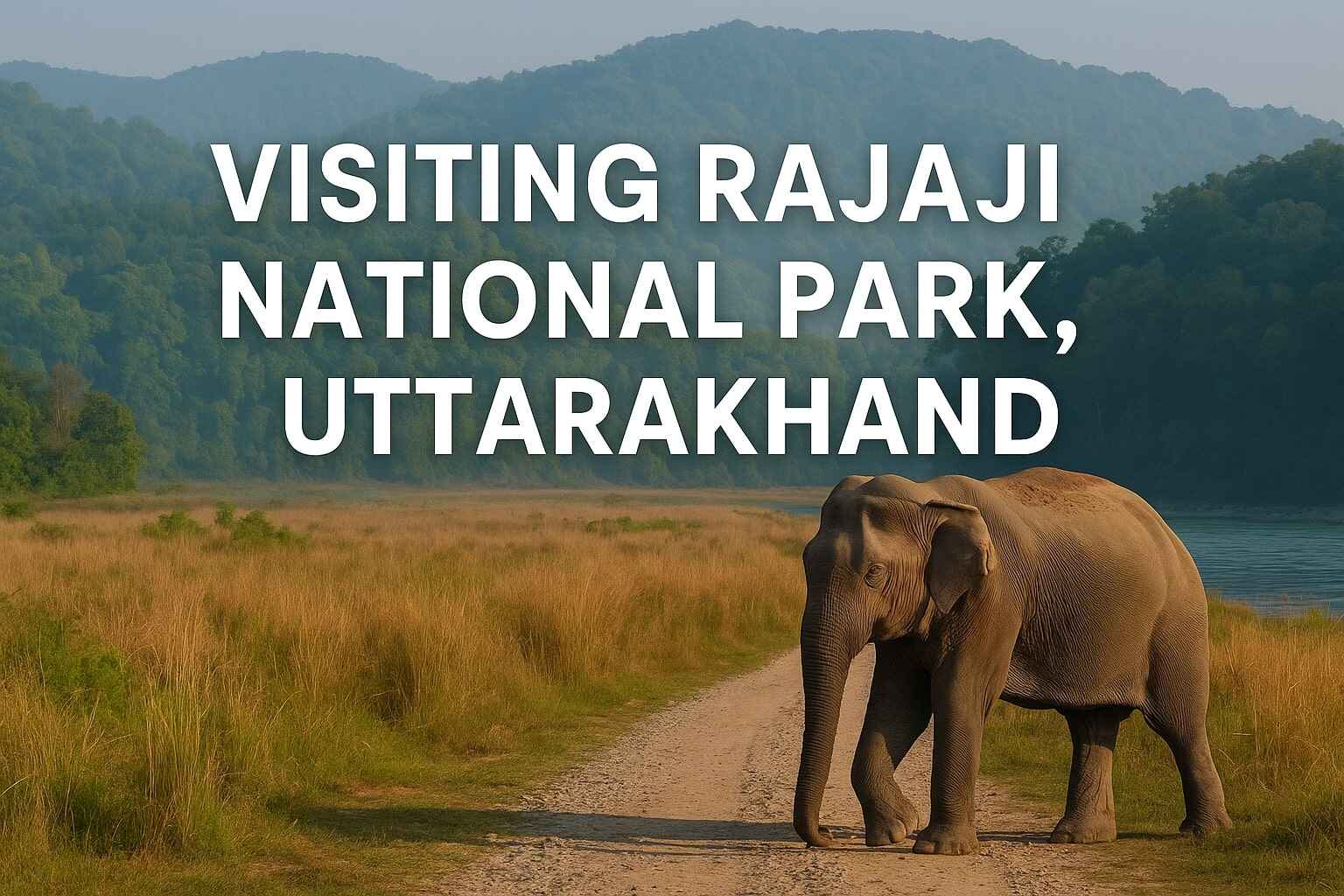
Visiting Rajaji National Park, Uttarakhand – A Full Travel Guide

Visiting Rajaji National Park, Uttarakhand – A Full Travel Guide


Uncategoried

Introduction 

Rajaji National Park is a haven for wildlife lovers and nature seekers. Spread over 820 sq km, it spans across three districts of Uttarakhand – Haridwar, Dehradun, and Pauri Garhwal. The park is home to elephants, tigers, leopards, deer, and over 300 bird species.


Why Visit Rajaji National Park:

-Rich biodiversity

-Elephant and tiger sightings

-Thrilling jeep safaris

-Close proximity to Rishikesh and Haridwar


Best Time to Visit Rajaji National Park

The park is open from mid-November to mid-June. The best time for wildlife sightings is between December and April when animals come out in the open.

Avoid: July to October (park remains closed during monsoon for safety reasons).


How to Reach Rajaji National Park

By Road: Well connected by road from Haridwar (15 km), Rishikesh (20 km), and Dehradun (60 km).

By Train: Nearest station is Haridwar Junction.

By Air: Jolly Grant Airport, Dehradun (35 km away).


Safari Experience at Rajaji National Park

Jeep Safari Details

Timings: Morning (6:00 AM – 9:00 AM), Evening (3:00 PM – 6:00 PM)

Safari Zones: Chilla, Motichur, Ranipur, and Beribara

Duration: Approx. 2.5 to 3 hours

Safari Types: Private Jeep Safari, Shared Safari


Entry Fee (Approx):

Indian Nationals: ₹150–₹250

Foreign Nationals: ₹600–₹800

Jeep (6-seater): ₹2000–₹2500 per trip

Guide Charges: ₹300–₹500

(Prices vary depending on the gate and season. Check locally for exact rates.)


Main Attractions in the Park

-Elephants in Chilla Range

-Leopards and Deer in Motichur

-Birdwatching at Beribara

-Rivers and Forest Walks in Ranipur


Travel Tips for First-Time Visitors

-Book safaris in advance, especially during peak season.

-Carry ID proof, binoculars, and a camera with zoom lens.

-Wear earthy-tone clothes to blend with the environment.

-Don’t make noise or feed animals.

-Listen to your guide at all times.


Nearby Places to Explore

Haridwar – Famous for Ganga Aarti at Har Ki Pauri

Rishikesh – For river rafting, yoga, and Ganga ghats

Neelkanth Mahadev Temple – Spiritual escape in the hills


FAQs about Rajaji National Park

Q1. Is Rajaji National Park open all year round?

No. It is open from mid-November to mid-June. It remains closed during the monsoon.

Q2. Which is the best gate for safari in Rajaji?

Chilla Gate is the most popular and well-maintained for safaris.

Q3. How do I book a jeep safari at Rajaji?

You can book at the entry gates or contact local travel operators in Haridwar and Rishikesh.

Q4. Are private vehicles allowed inside the park?

No. Only official forest department jeeps with guides are allowed.

Q5. Is it safe to visit Rajaji National Park with kids?

Yes, it's safe, but keep children close and follow all safety guidelines.


Conclusion

Rajaji National Park is a perfect destination to witness wildlife and explore nature. Whether you're coming from Rishikesh, Haridwar, or Dehradun, a safari in this national park is a must for every nature and adventure enthusiast.

Author Avatar
Written by vaibhavkr

An expert in Uttarakhand travel and local culture, dedicated to sharing insights and tips for your perfect journey.


Explore Popular Hill Stations


Discover serene landscapes and breathtaking views with our curated selection of top hill station destinations. Perfect for nature lovers and adventurers alike!

Chamba

Chamba is one of the beautiful hill stations located in the state of Uttarakhand, India. It's known for its scenic beauty, pleasant climate, and serene...

Khali Estate (Binsar)

Khali Estate (Binsar) is one of the beautiful hill stations located in the state of Uttarakhand, India. It's known for its scenic beauty, pleasant climate,...

Almora

Almora

Almora is one of the beautiful hill stations located in the state of Uttarakhand, India. It's known for its scenic beauty, pleasant climate, and serene...


Temples in Uttarakhand


Embark on a spiritual journey to the ancient and sacred temples nestled in the serene landscapes of Devbhoomi Uttarakhand.

Tungnath Temple

Located in the Rudraprayag district, Tungnath is a sacred trek destination attracting Shiva devotees.

Omkareshwar Temple, Ukhimath

Pilgrims visit the temple when Kedarnath is closed due to snow.

Jageshwar

Located near Almora, Jageshwar is a tranquil and sacred destination for Shiva devotees.


Frequently Asked Questions


When is the best time to undertake the Char Dham Yatra?

The Char Dham Yatra typically opens in late April/early May and closes in October/November. The best time to visit is during May-June and September-October for pleasant weather and clear skies. We generally advise avoiding the peak monsoon months of July and August due to the risk of landslides and road closures.

Are there any permits required for trekking or visiting specific areas?

For popular treks and national parks like the Valley of Flowers, **permits are required**. Some protected areas or border regions might also require special permissions. Our agency handles all necessary permits as part of your trekking or park safari package.

Are meals and accommodation included in your tour packages?

Yes, most of our tour packages typically include accommodation in hand-picked hotels/guesthouses and daily vegetarian meals (breakfast and dinner). Specific inclusions may vary per package, so please refer to the detailed itinerary provided for your chosen tour.

What are the top adventure activities to experience in Uttarakhand?

Uttarakhand is an adventure hub! You can enjoy **white-water rafting** and **bungee jumping** in Rishikesh, **trekking** in various Himalayan ranges (from easy to challenging), **skiing/snowboarding** in Auli, **camping**, **paragliding**, and **zip-lining**.

What is "Altitude Sickness" and how can I prevent it during the Yatra?

Altitude Sickness (Acute Mountain Sickness or AMS) can occur at high altitudes due to reduced oxygen levels. Symptoms include headache, nausea, dizziness, and fatigue. To prevent it, acclimatize gradually, stay hydrated, avoid alcohol/smoking, and ascend slowly. Our itineraries are designed to aid acclimatization.

Fill Your Personal Information fields are mandatory

SEND ENQUIRY


Your Name
Contact No.
Your Email ID
Number of Adult
Number of Child
Select Date
Description